

Posted in:
On: January 21, 2026
The Everything Logbook Method: A Simple, Flexible Planning System for Homemakers
This post may contain affiliate links, which means I make a small commission (at no extra cost to you) on any purchases you make through clicking a link on this site. See my full disclosure here.
The older I get, the more convinced I am that homemaking doesn’t require a rigid routine—it needs a system that works with you, not against the unpredictable reality of raising a family.
I’ve gone back and forth with having digital vs physical planners over the years, and one thing is for sure—life just tends to go much smoother when I’m using a physical planner.
But for years I chased the “perfect planner”—digital, physical, color-coded, templated, fully customizable. I shelled out the big bucks for the expensive ones, and ended up abandoning the method within a couple months because none of them fit my exact needs as they changed on a monthly, weekly, and even sometimes daily basis.
So for 2026… I threw it all out and created a highly simplified planning system that I call The Everything Logbook. It’s shockingly simple, customizable, flexible based on how your needs change as the year progresses, super inexpensive, and very effective.
I built this method using nothing but a simple notebook, and I’m teaching you how you can do the same.
This is the same notebook that holds my brain dump to-do lists, my triage list of random things spilling out of my brain, my habit tracker, my children’s funny quotes, daily joy, my journaling pages, prayers, and my weekly meal plans. It’s literally everything in one simplified notebook, so I’ll show you how I organize all of that.

Why Complicated Planners Always Fail
Complicated planners fail because your life isn’t linear—so your planner shouldn’t be either.
Every year I would buy a pretty planner, and while some of them had more longevity than others, usually a couple months in, I had abandoned it and felt guilty. My days just didn’t fit into neat boxes. Each day required something different from me.
So I went with a fully customizable planner, but that ended up being crazy expensive. Still, my needs would change as the year went on and I would end up not using the planner as much.
I’m sure there’s already a term out there for what I’m about to explain today, but since I don’t spend any time in the planner or journaling world, I don’t know what that would be. Maybe a commonplace planner—but anything I’ve seen on that method seems very philosophical and creative, and that’s not really what this is. Although it can be if that’s your style, which is the beauty of it.
So I call this The Everything Logbook Method.
How to Create the Everything Logbook
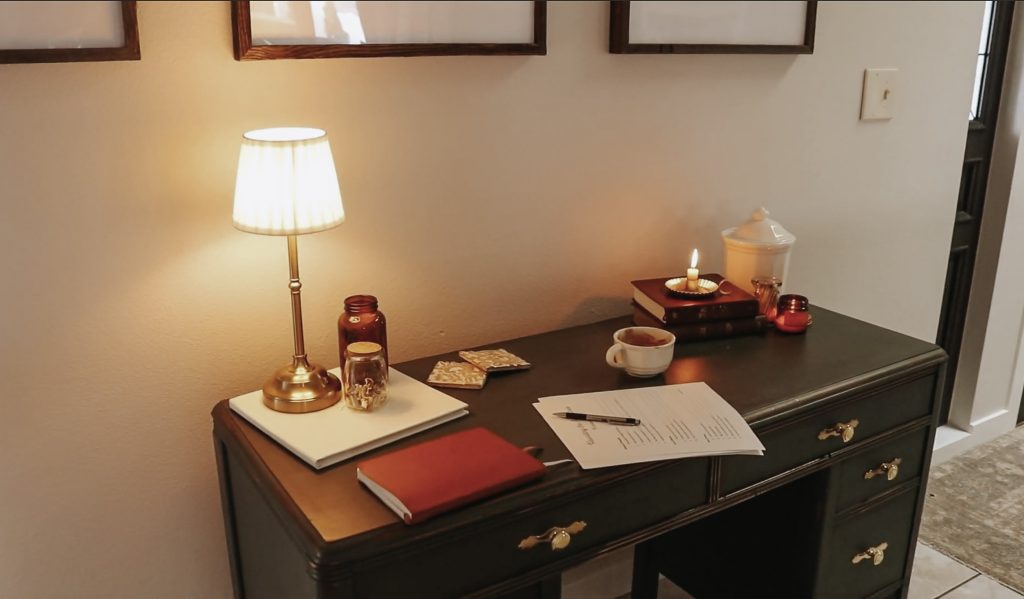
All you need is a simple notebook and a pen.
Step 1: Create a Weekly Dashboard
On one page each week, write a weekly dashboard that holds anything you want and need to remember for the upcoming week.
For me, I have it broken down like this—but it’s morphed over time, which is the beauty of this whole method.
At the top, I write the week of and put the date range. Below that, I write the days of the week, and next to each day I include:
Dinner plan for each day of the week
Special activity for each day
These are for THS Challenge Club activities or special adventures I have planned. When I was filming this, I was doing the Peaceful Advent Challenge for the THS Challenge Club, so I had a fun little advent activity each day—like a candy cane hunt, gingerbread houses, Christmas light walks, etc.
I try to do special activities like this once per day for the kids to be more intentional in my home, and that’s why I created the Challenge Club—each month has daily intentionality activities.
Miscellaneous notes
Appointments, things to remember, errands—anything floating in your head that needs to be done on that day.
This weekly dashboard acts as your weekly anchor.
To create this, I usually reference my THS Challenge Club packet and my digital monthly calendar for birthdays and appointments. Other than that, I don’t use my planner for any monthly planning.
Step 2: Create Flexible Daily Pages
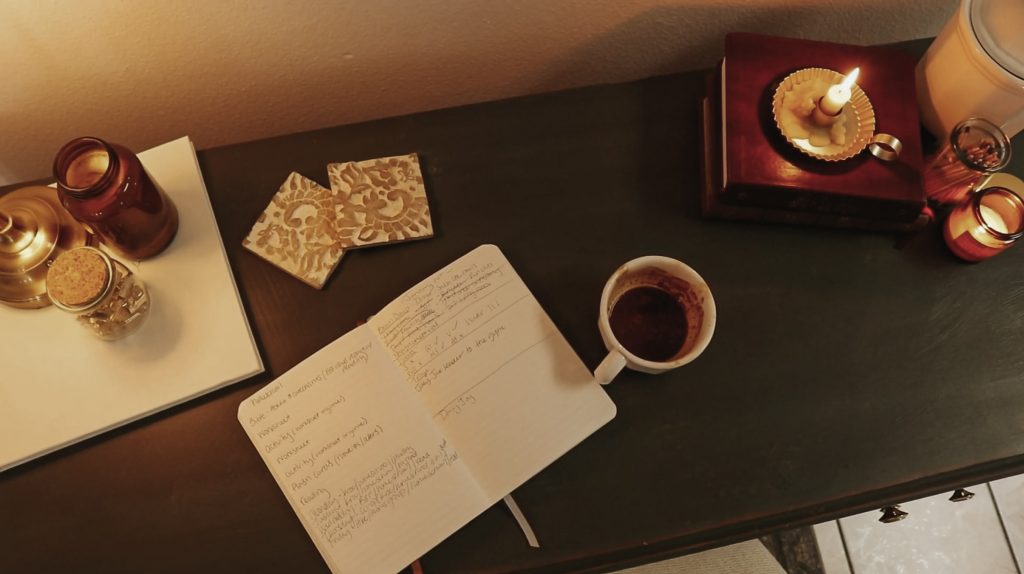
When it comes to daily planning, I don’t have a timetable or appointment section because I just don’t need that in this season of life. I could see how that would be beneficial if I worked in corporate, but it was always the section in my planners that stayed blank.
I craft my daily pages every night for the following day, so when I wake up in the morning, all I have to do is flip the page and I already know what I have going on.
Each daily page starts with the date at the top, followed by these sections:
Brain Dump To-Do List
This is everything I can think of that I’d like to get done. Usually only a couple tasks absolutely have to get done, but I also write down things I do every week just for the satisfaction of crossing them off.
I start by copying anything from the weekly dashboard planned for that day, then add whatever else is weighing on my mind. Anything unfinished simply gets copied over to the next day.
Habit Trackers
These change often depending on what I’m focusing on. Sometimes I track water intake, sometimes my fasting schedule when I’m cycling using the Mindy Pelz method.
Triage Section
This is for random home management and work notes that need to be dealt with later—emails to send, grocery list additions, or my “talk to hubby” section. Some of these items move into the next day’s to-do list.
Daily Joy
This is my favorite section and the one I thought would often be left blank—but it’s usually the largest.
This is where I write anything that brought me joy that day, such as:
- Waking up to a quiet house and a clean kitchen
- Snowman pancakes and coffee for breakfast
- Showing up as the most nurturing version of myself during a hard moment
- Watching the children play tag
- The way Benny feels safe resting on my chest when he’s sick
This section has helped me romanticize my life, find joy in the little things, and recognize how God is working through both small and big blessings.
Step 3: Incorporate Journaling and Prayer
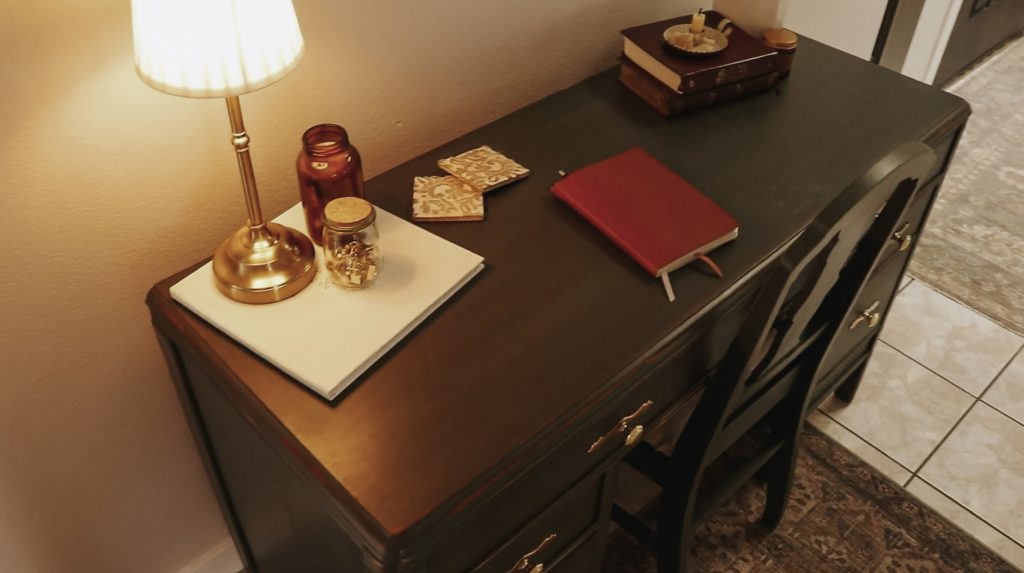
This part is completely unique to my planning system and can be tailored to how you like to journal or pray.
Right after my daily page, I include journaling sections for prayers, sermon notes, insights from books or videos, and my Becoming Journaling Method pages.
In short, this method is a biblical, identity-shaping practice rooted in Scripture. It’s not goal-setting or trendy affirmation work—it trains your mind and nervous system to practice the woman you want to become before the moment arrives, so patience, tenderness, and self-control start to feel natural.
These Becoming pages go directly into the Everything Logbook—not a separate notebook. I place one at the start of each new day and anytime I feel myself slipping back into old patterns.
This method acts as a reset—a way to return to who I truly am and who God is forming me to be. There’s no page limit. The rest of the notebook is available whenever I need it.
Why the Everything Logbook Is So Life-Giving
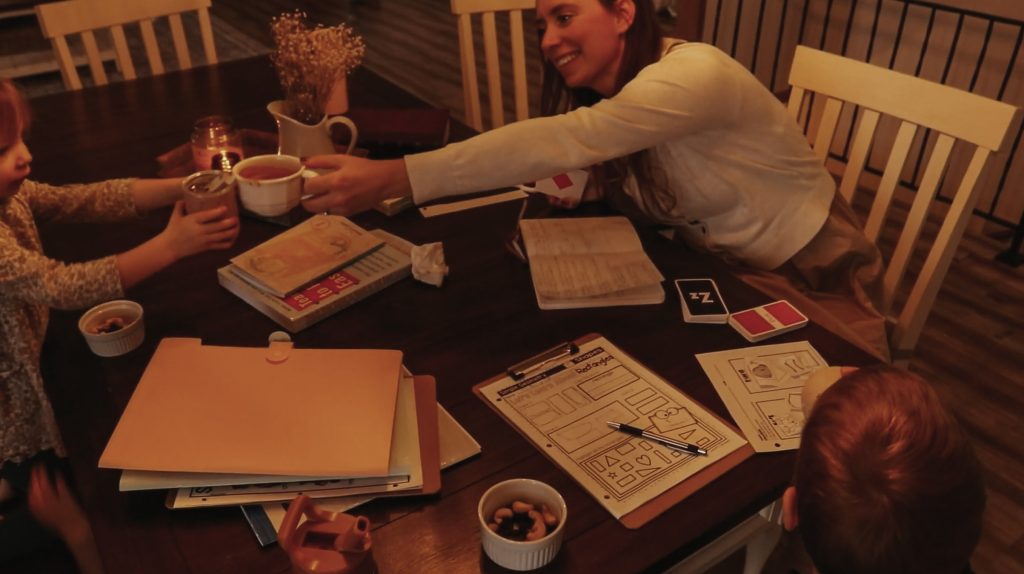
What makes the Everything Logbook Method so life-giving is that it finally gives a mother room to breathe.
Instead of juggling multiple notebooks or apps, everything lives in one place—plans, prayers, journaling, children’s silly quotes, grocery lists, all of it.
You begin capturing little moments you would’ve otherwise forgotten—the funny things your toddlers say, the simple joys of life, the tiny mercies the Lord blesses you with.
Another major benefit is using a physical planner means you’re on your phone far less. Your life isn’t stored inside a screen that leads you down rabbit holes—unless that rabbit hole is writing a prayer or journaling, which is incredibly life-giving.
I keep my Everything Logbook by my bed so if I remember something at night, I don’t need my phone—I just grab my notebook. Since it’s also my journal, it’s always right there.
The key is getting used to bringing your physical planner everywhere so it can truly be your catch-all. I recommend one small enough to fit in a purse or diaper bag. The one I use has two ribbon markers, an elastic closure, and it’s compact yet flexible enough to stay open while writing.
Those tiny details matter. Sometimes something as small as that can prevent meaningful use.
The Heart Behind the Method
The Everything Logbook Method is the simplest, most life-giving planner I’ve ever used—but the pages alone won’t change your home unless you’re intentional.
Your identity in Christ, your habits, your thoughts—this is where transformation begins.
If you’re stuck in survival mode, it’s not too late. You can join my free workshop below.
You can feel calm, grounded, and joy-filled again.
It’s always such a joy to have you here!

Kyrie Luke






Leave a Reply