

Posted in:
On: December 21, 2021
Traditional Cooking Guide for Beginners
This post may contain affiliate links, which means I make a small commission (at no extra cost to you) on any purchases you make through clicking a link on this site. See my full disclosure here.
Traditional cooking is a great way to get back to your roots living a healthier life. Soaking, fermenting, culturing, and souring can be intimidating at first, but they do become part of your daily routine after a while. Here’s a guide on where to begin with traditional cooking if you feel overwhelmed by all the lingo!
Related: how to make a sourdough starter
Related: fermenting fruits tutorial
This post contains affiliate links, which means I make a small commission at no extra cost to you. See my full disclosure here.
video – How to make a sourdough starter

where to begin with traditional cooking
In the list below, I give you steps for beginning your traditional cooking journey starting with what I believe to be the easiest steps, gradually increasing in difficulty. In truth, traditional cooking is pretty easy all around, but there’s just more prep work involved with certain methods.
traditionally source food
Traditional cooking is all about quality food that your body will tolerate the best. This means shopping for organic, grass-fed/finished, humanely raised food. You’ll notice that the better quality food you eat, the more filling it is since it hasn’t been stripped of its nutrients.
This is the perfect tip for traditional cooking when you don’t have a ton of extra time to cook from scratch. When you take all the hormones, antibiotics, and pesticides out of the food you eat, you’re on your way to cooking and eating more traditionally.
Related: Where we source our food
stocking up for traditional cooking
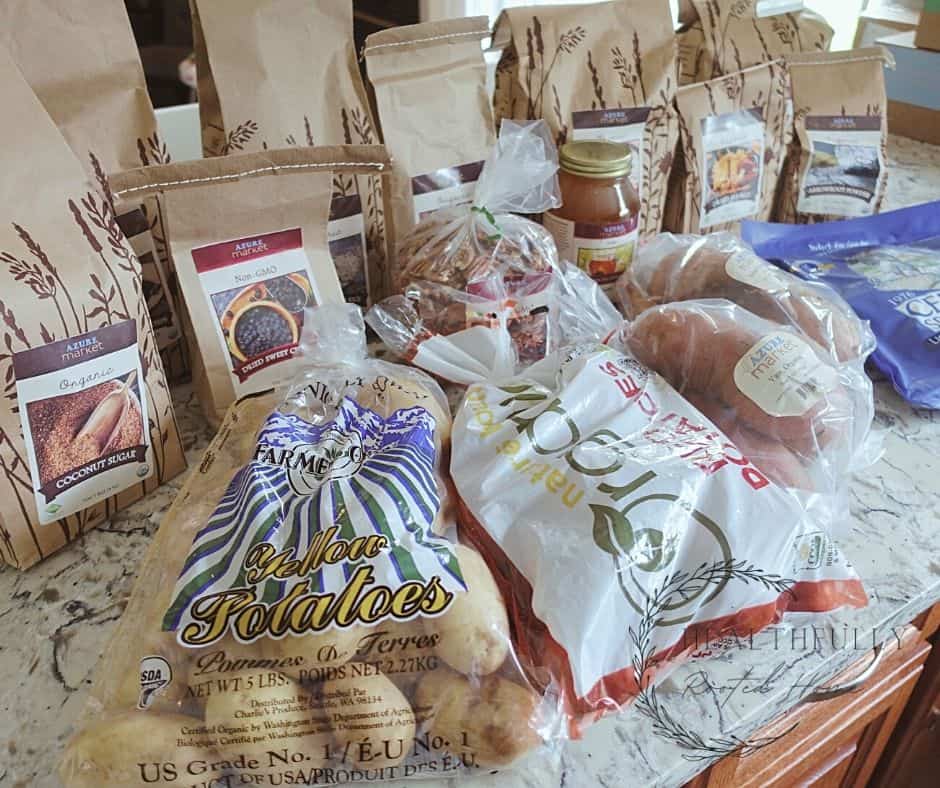
Stock your traditional pantry
Here are some examples of what you might have in your pantry for traditional and from-scratch cooking methods.
- Flour – For flour we like to use einkorn flour since it’s the only flour that hasn’t been touched by hybridization – meaning it’s exactly the same as it was hundreds of years ago. As a result, it’s easier for our bodies to digest.
- Whole wheat berries – you’ll want these if you plan to mill your own grain.
- Jasmine brown rice
- Quinoa
- Rolled oats
- Brown rice or einkorn pasta
- Nuts and seeds (various varieties)
- Honey
- Maple syrup
- But butters
- Crushed tomatoes
- Arowroot powder
- Sea salt
- Various spices and dried herbs
- Dried fruit (unsweetened and variety)
- Black beans
- Navy beans
- Coconut oil
- Olive oil
- Avocado oil
- Ghee
- Apple cider vinegar
- Onions (yellow and red)
- Potatoes (variety)
This free ebook provides you with a more comprehensive list than what’s in the list above.
Stock your traditional fridge
- Eggs (pastured)
- Cheese (variety of raw cheeses)
- Butter (from grass-fed cows)
- Milk (raw)
- Cream (raw)
- Dijon mustard
- Sauerkraut
- Always have some kind of meat thawing
- Avocados
- Bell peppers (all varieties)
- Seasonal greens
- lemons
- seasonal fruit
Stock your traditional freezer
- Whole chickens
- Ground beef
- Bones for broth (beef, chicken, etc.)
- Ground turkey
- Italian and/or breakfast sausage
- Bacon
- Berries
Well-stocked traditional kitchen
First, you’ll want to create a wish list of items that’ll help you with traditional cooking. Really, you don’t need much which is the whole point of cooking using traditional methods – it’s minimalistic!
Here’s a start to what your traditional cooking wish list might look like:
(These affiliate links help to support this blog at no extra cost to you. Your support means the world to me!)
- Grain mill. Not a requirement but it’s so nice to be able to save money by milling your own grain.
- Large glass or ceramic bowls (for ferments you don’t want to use metal)
- Utenils like wooden spoons, whisks, ladles, tongs, spatulas.
- Fermenting jars (large quart size jars)
- Fermenting equipment. You really don’t need much here except air tight jars and weights, but it’s nice to have proper fermenting equipment.
- Various size mason jars. You can use these for culturing, fermenting and storing your traditional foods.
- Cast Iron skillet
- Cast iron dutch oven
- Banneton baskets
- Razer blade and lame (for sourdough scoring)
- Stand mixer
- Pressure cooker. I use this mostly for bone broth, homemade yogurt and cooking whole chickens. You can do all of these in a dutch oven on your stove, but the Instantpot makes it all so much easier.
- Really good quality water filter. We use a Berkey which produces the most highly filtered water possible. This is so necessary when fermenting. The contaminants in tap water can hinder your ferments.
Related: Free Kitchen Essentials Checklist
traditionally prepare grains by soaking
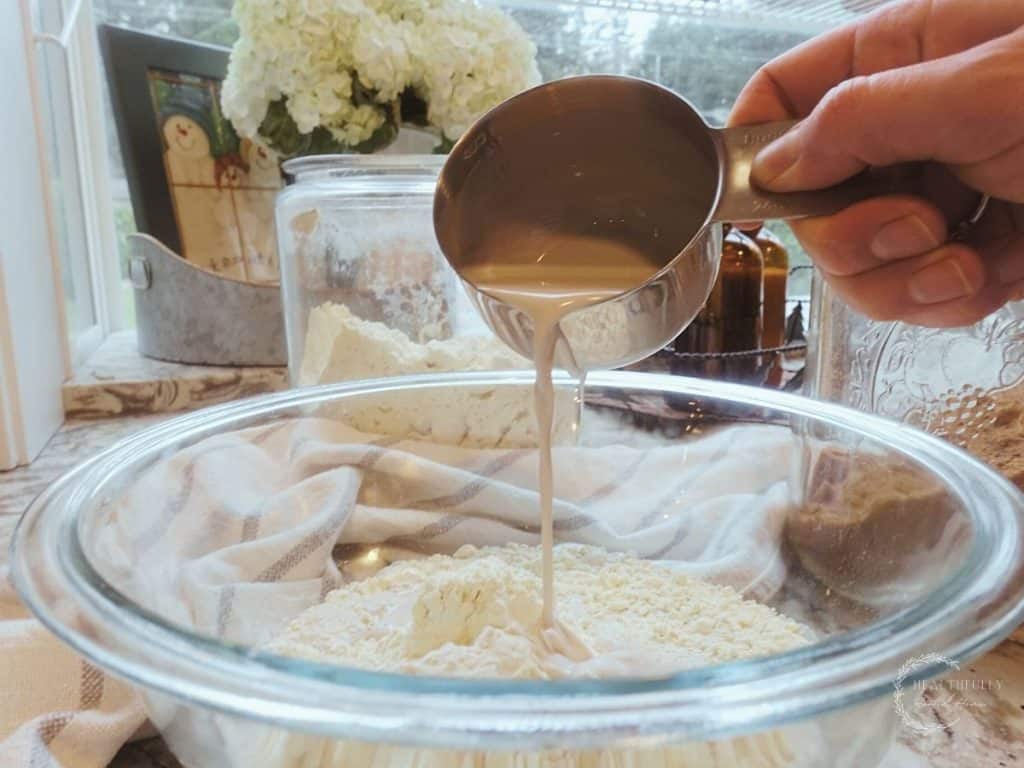
Perhaps one of the easiest ways to introduce traditional cooking into your routine is by soaking your grains.
Why should you soak grains
By soaking grains, the water helps to neutralize the phytic acid and release the enzyme inhibitors making them more easily digestible and the nutrients more available to your body. In short, soaking grains is healthier.
how to soak grains
To soak your grains, take the portion you’re going to cook and soak them in a bowl of filtered water overnight (or for at least 8 hours). Rinse and drain them prior to cooking as normal.
That’s it! It takes an extra 30 seconds to soak your grains and your body will thank you.
What grains to soak
The main grains we like to soak are rice, beans, quinoa, flour, oats, rye, and barley.
Related: How to Store Sourdough Bread
Meal planning for traditional cooking
How meal planning helps with traditional cooking
Traditional cooking doesn’t actually take much more time – it just takes more preparation. For example, if you’re going to have tacos tonight, you’ll have needed to plan ahead by feeding your sourdough starter and making your tortilla dough the day before.
Having a meal plan enables you to know exactly what you’re having that week so you know how to prepare ahead of time.
Related: Sourdough tortilla recipe
How to create a meal plan
I like to use a rotating meal plan method. This helps me to cook from scratch without spending too much time in the kitchen and also helps me to not have to spend much time meal planning each week.
Related: Learn how to create a rotating meal plan
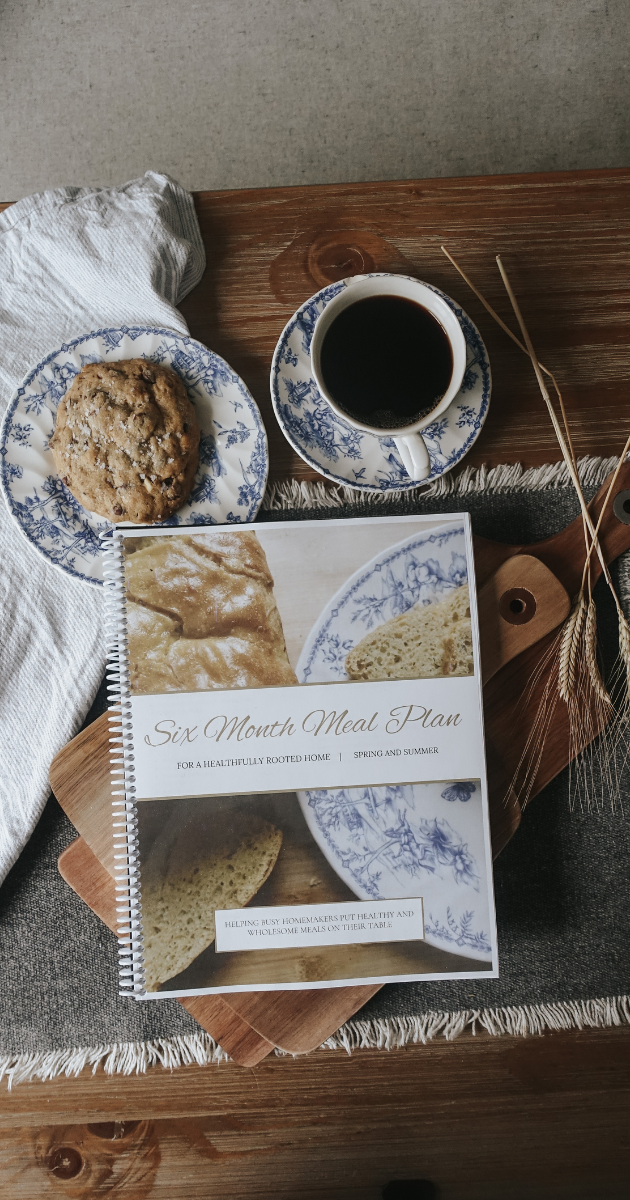
purchase one of my premade six month meal plans
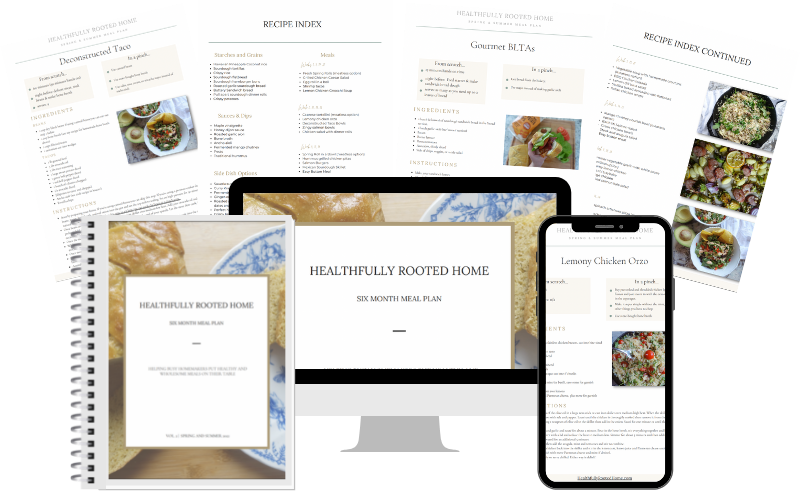
Shop for my six month meal plans here. These will help give you a restful dinner-time routine by giving you all your recipes laid out in a weekly meal plan format for 6 months.
Make a sourdough starter
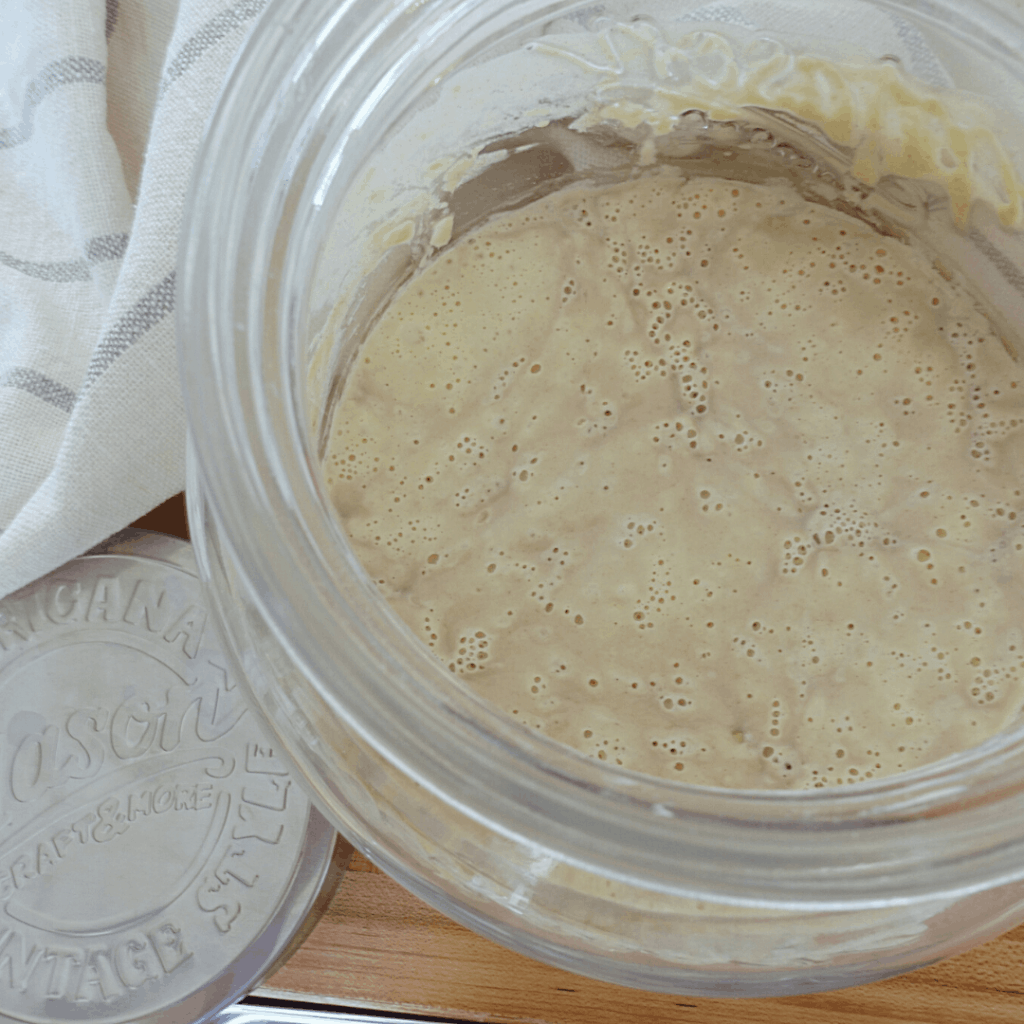
Making your own sourdough starter is so easy. Whether you make one from scratch or use someone else’s to start yours, start maintaining a sourdough starter.
Once you have your starter, start with easy recipes that don’t require much precision such as
Once you are used to working with a sourdough starter, begin making loaves of bread. Start with a no-knead bread option like my roasted garlic sourdough beginner recipe.
Beginner Sourdough Bread Recipe
Related: dense sourdough Bread troubleshooting
Traditionally Ferment your own vegetables
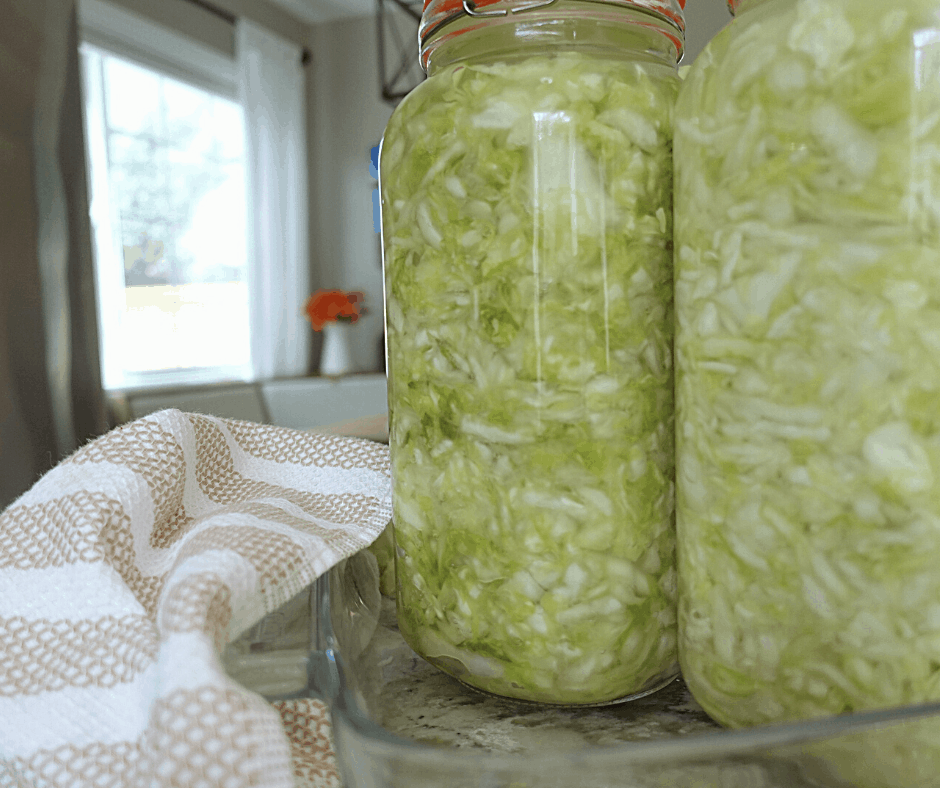
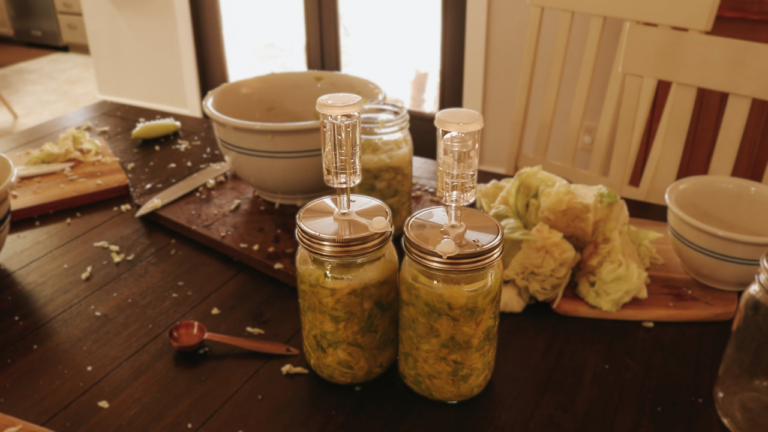
Lacto fermentation is an easy way to ferment vegetables using just salt and brine. Fermenting your vegetables is a great way to preserve them as well as provide your body with gut-healing probiotics.
Related: Lacto fermented sauerkraut recipe
Related: Curry kraut recipe
Homemade bone broth for traditional cooking
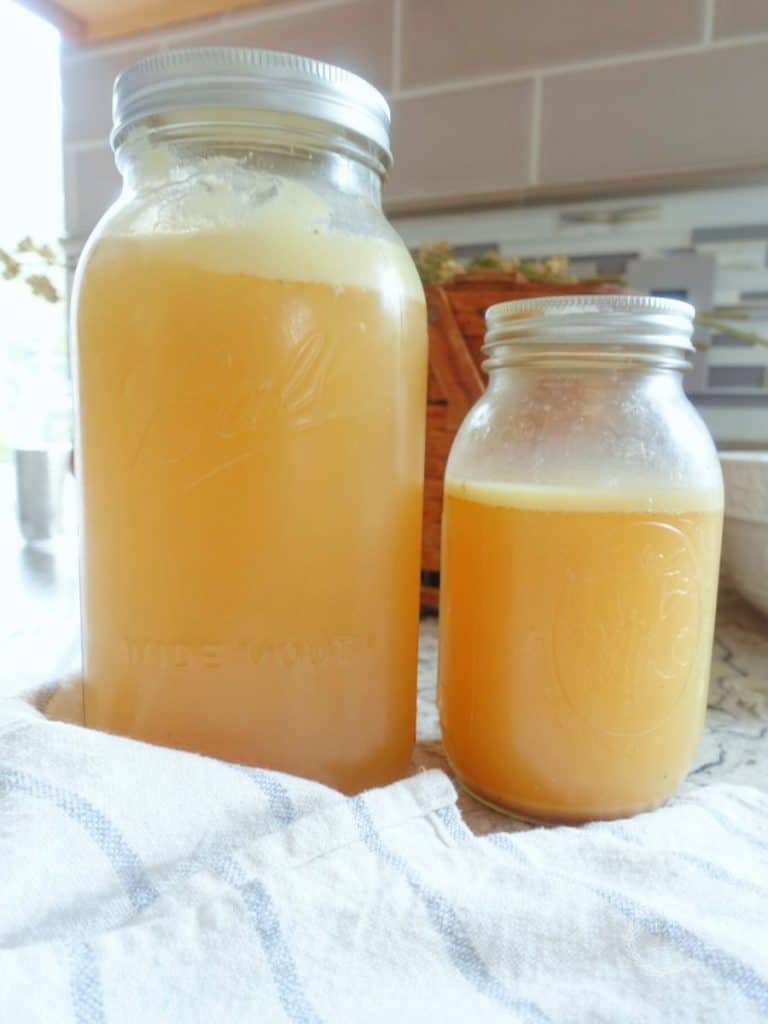
The easiest way to make your own bone broth is using a pressure cooker. You want your bone broth to be gelatinous as that’s a good indication that the nutrients from the bones have been released into your broth.
Homemade bone broth is great for making soups, stews, quinoa, rice, and using in place of the water component for many recipes to make them more nutritious.
Related: How to make collagen soup (bone broth)
Cultured dairy
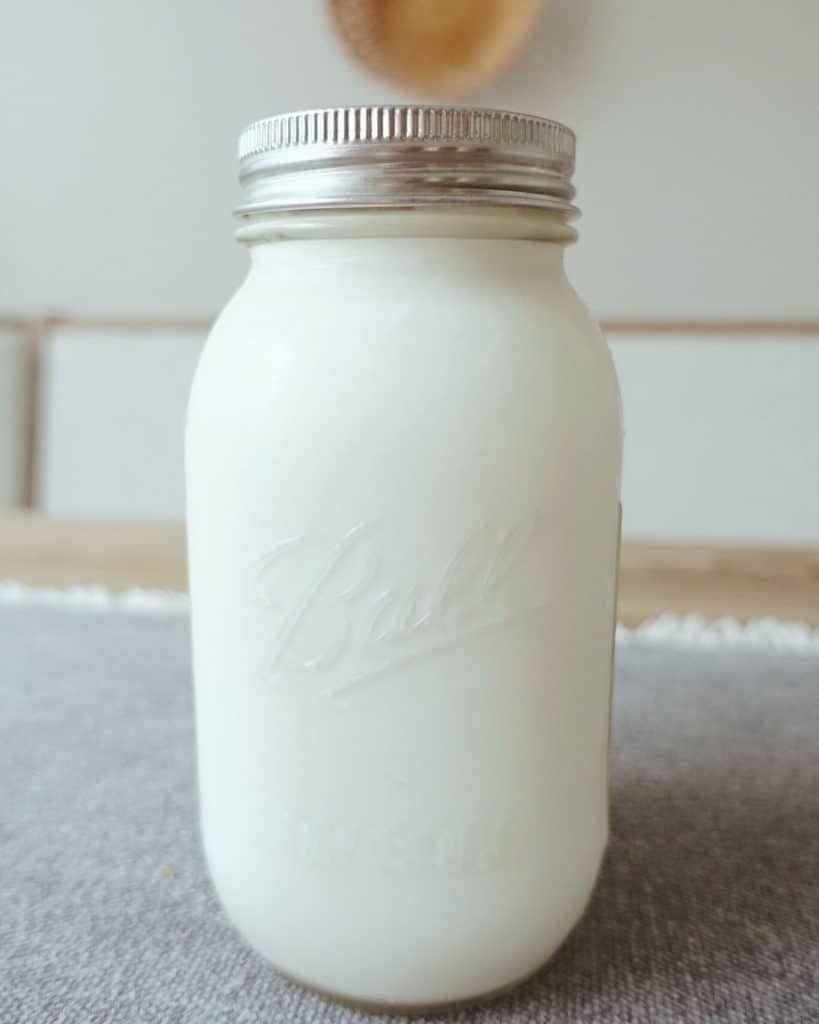
A great beginner’s step to culturing dairy is to start making your own raw milk kefir. To do this you’ll need to purchase kefir grains and raw milk. Combine the two and let sit at room temp for about 20-48 hours. Strain the grains from the milk and there’s your kefir!
Related: Raw Milk Kefir Tutorial
Rendering Fat for traditional cooking
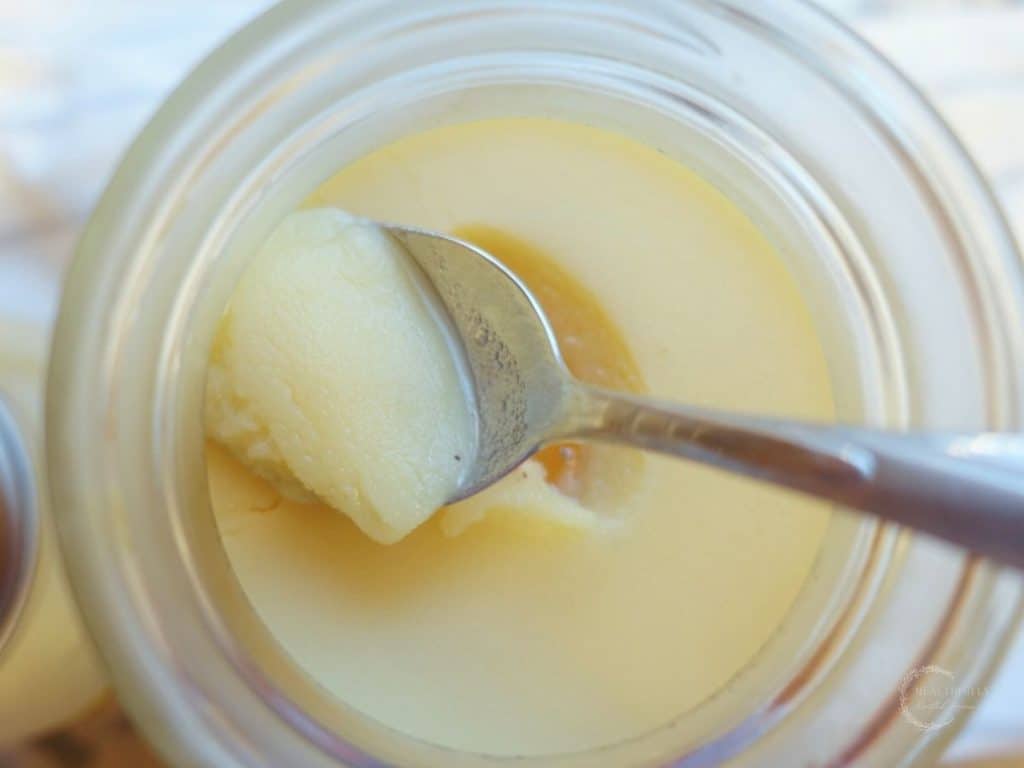
Rendering animal fat is another great traditional cooking method that just involves extracting the fat from cuts of the animal.
This is a great tutorial for rendering animal fat. To do this, you’ll likely want to purchase a whole, half, or quarter of an animal such as a cow – that’s likely when you’ll end up with enough fat to render.
creating a home garden
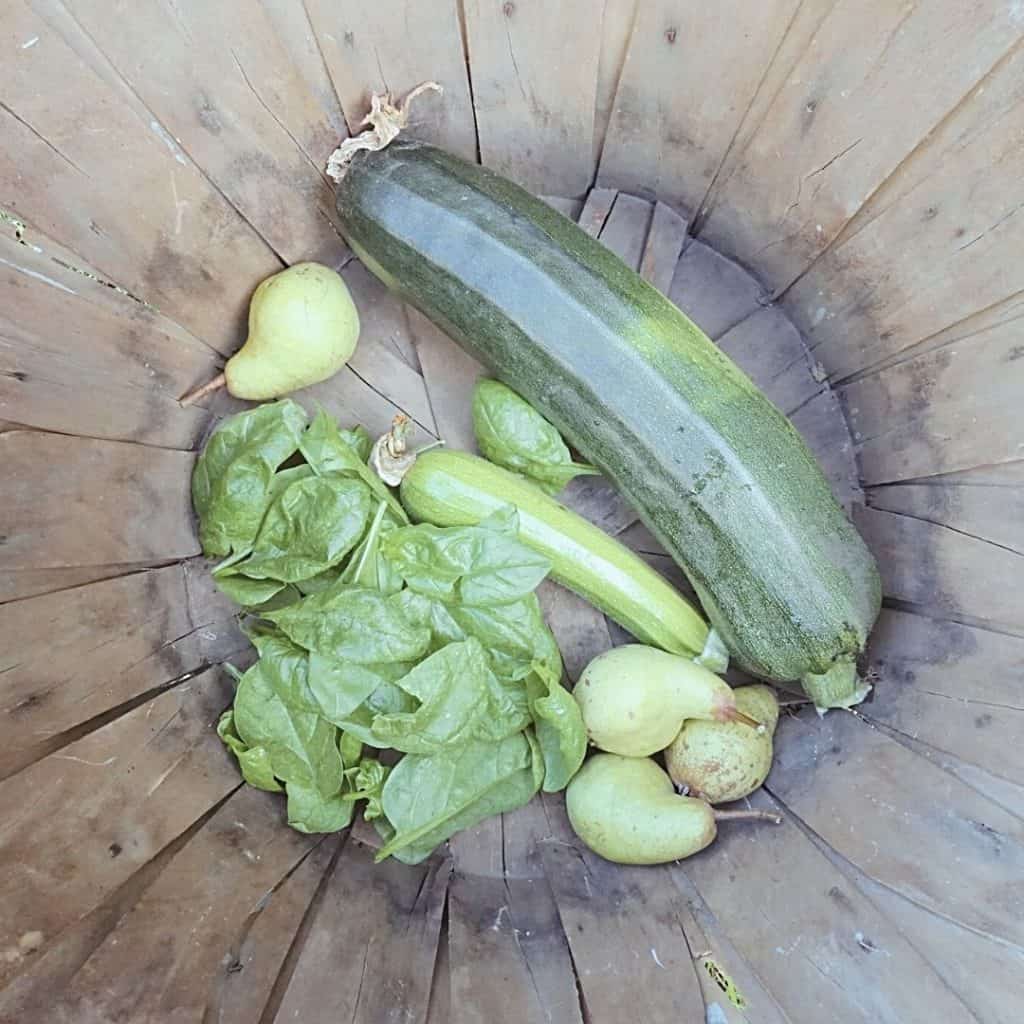
Being as self-sustainable as possible is the crown of traditional cooking. Heading out to your garden and harvesting the food you’ll have on the table that night is the ideal way to eat. However, having a large garden that’ll produce enough to sustain you for the year isn’t always possible depending on where you live and your lifestyle.
Download this free ebook I helped put together with some friends where we talk about how you can homestead anywhere.
traditional cooking Tips
- Start with easy things like sourcing quality food and soaking grains.
- Keep a well-stocked kitchen so you always have what you need on hand.
- Plan ahead using a meal plan.
- Always have meat defrosting in the fridge.
- Get used to sourdough baking by making easy sourodugh discard recipes first.
- Start lacto fermentation by making something easy like sauerkraut.
- Purchase an entire cow (or a quarter or half cow) so you can have enough bones and fat to make homemade bone broth and rendered fat.
- Buy raw milk from a local farm so you can make raw milk kefir and yogurt.
- Start a small garden with easy vegetables to grow then grow a little more each year.
- Start making more food from scratch by learning how something is made, and then giving it a try! Most things, even if they don’t turn out perfect, are at least edible. Then you can learn from your mistakes!
Traditional cooking meal example
Here’s an example of a meal using traditional cooking methods from start to finish.
- Prepare bone broth ahead of time
- Roast a whole chicken (or cook in a pressure cooker) and save the bones for more bone broth later.
- Soak quinoa in some filtered water overnight in your dutch oven.
- The next day, use your bone broth you made ahead of time to cook the quinoa.
- Remove the solid fat from the bone broth and use that to cook brussels sprouts in a cast iron skillet.
shop this post
(These affiliate links help to support this blog at no extra cost to you. Your support means the world to me!)
- Berkey water filter (we use the Royal because we drink an insane amount of water!)
- Thrive Market – 25% off & free gift! (where I get a ton of my ingredients)
- Azure Standard: $25 off your order. Code kyrieluke1
- Dutch oven
- Stand mixer
- Boos Block Butcher Block
- 12 inch Cast Iron Skillet
- Instantpot
- Grain Mill
- Large glass or ceramic bowls
- Fermenting jars
- Fermenting equipment.
- Banneton baskets
- Razer blade and lame
traditional cooking recipes
Roasted Garlic Sourdough Bread
Pumpkin Sourdough Cinnamon Rolls
Roasted asparagus with brussels sprouts and dates
Pin it for later – traditional cooking tips
About Me

kyrieluke





Leave a Reply